
01FRACTIONAL
FRACTIONAL CEO
Fractional CEO for turnaround, scale-up and market entry in Italy and Europe. Full P&L, board reporting, hard decisions.
- fractional CEO
- part time CEO
- external CEO
Senior fractional manager: CEO, CMO, CRO and COO for Italian and European companies. If you need to hire a fractional manager or find a part time CEO, CMO, CRO or COO, this is where a manager who builds teams that deliver under pressure starts. 15 years, three companies built or fixed, one €607M exit.
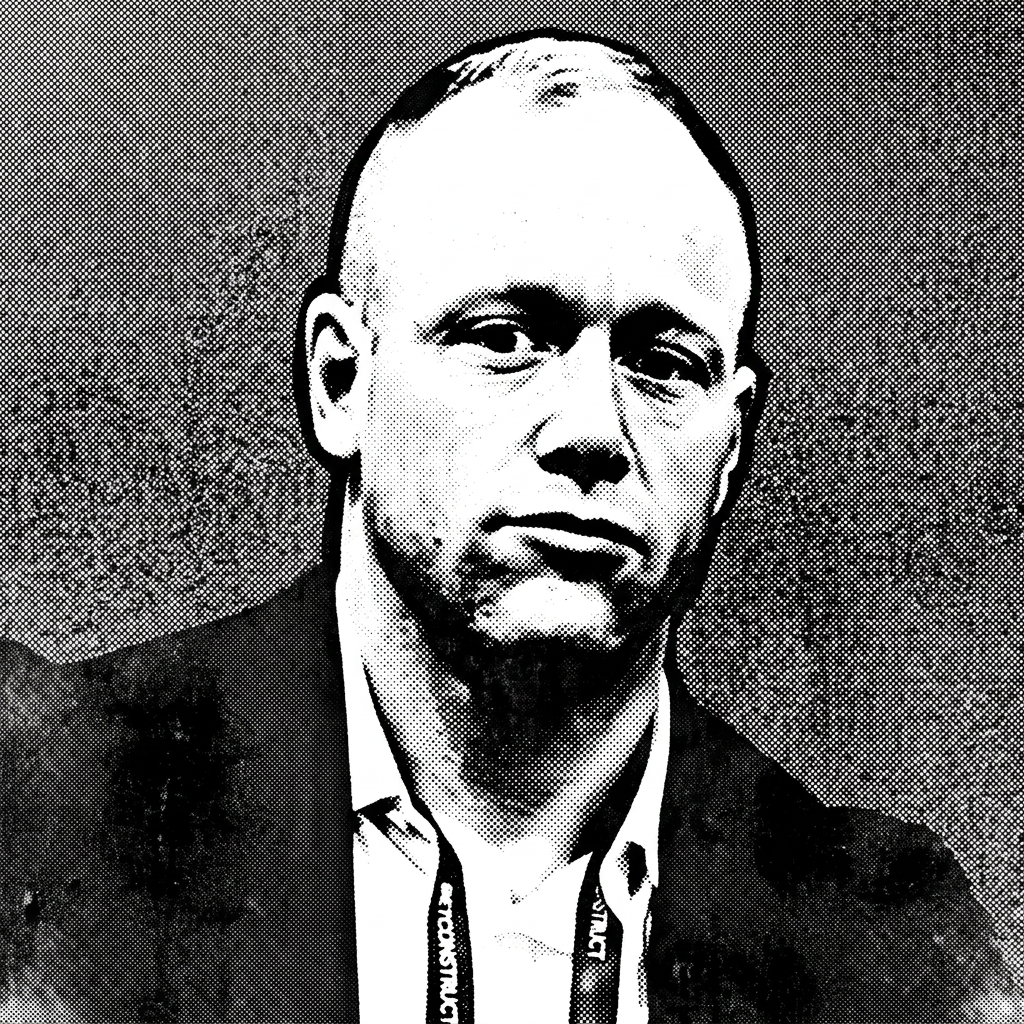
I did not start with a network, a famous degree or family money. I started with a willingness to outwork the room and a refusal to lose. From SEM analyst to CMO to CEO to founder: a straight line of harder mandates and bigger outcomes. Today I help Italian and European companies that want to hire or find a fractional manager without the cost and risk of a full-time executive.
One mandate. One number to hit. A team that delivers.
Fractional CEO for turnaround, scale-up and market entry in Italy and Europe. Full P&L, board reporting, hard decisions.
Fractional marketing director. Rebuild of the growth engine: performance, brand, data, team. From €0 to €120M budget owned across Italy and Europe.
Fractional Chief Revenue Officer. I align sales, marketing and CS around one number: revenue. Fractional sales director for Italian and European companies.
Fractional operating officer. Structure, KPIs, execution. Inefficient operations turned into performance machines for Italian and European companies.
Execution beats strategy.
Speed is a competitive advantage.
Own the outcome.
Structure drives performance.
Decision decides.
Accountability is non-negotiable.
Everything you want to know about fractional CEO, CMO, CRO and COO. If an answer is missing, ping me.
A fractional manager is a senior executive (CEO, CMO, CRO, COO) who works for your company on a part-time basis, typically 2-4 days a week, with full operational responsibility on a defined mandate. Not a consultant who delivers slides and leaves: a manager who joins your structure, makes decisions, leads the team and owns a number. It's the right choice when you need enterprise-grade leadership without the cost, time and risk of a full-time hire.
A fractional CEO takes operational leadership of the company on a specific mandate: turnaround, scale-up, market entry, funding round or exit preparation. Full P&L ownership, board reporting, leadership team alignment, strategy definition and execution. Typically works 2-3 days a week for 6-18 months, with clear measurable objectives agreed from day one.
A fractional CMO rebuilds the company growth engine: performance marketing, brand, data, content, team. Defines the go-to-market strategy, allocates budget, hires and trains key people, sets up reporting and owns marketing-sourced revenue. The right choice when the company must move from ad-hoc growth to a structured growth engine, or when the current CMO is missing or under-delivering.
A fractional CRO (Chief Revenue Officer) aligns sales, marketing and customer success around one number: revenue. Redesigns the commercial funnel, optimises pricing and packaging, runs pipelines, coaches sales managers and sets up revenue reporting. Useful when revenue functions work in silos, when sales cycles extend or when retention lags behind acquisition.
A fractional COO turns inefficient operations into performance machines. Structures processes, defines KPIs, sets operating cadences, coordinates cross-team functions and owns the quality of daily execution. The right choice when the company grows faster than its structure, when deliveries slip or when the leadership team lacks operational discipline.
Fractional manager fees depend on role, seniority, mandate and weekly commitment. In Italy a senior fractional CEO, CMO, CRO or COO typically works on monthly retainers between €8,000 and €25,000 for 2-4 days a week. Compared with an equivalent full-time executive (€200-400k base plus benefits, bonus, buyout, severance) total cost is 40-60% lower, with much faster onboarding and no long-term lock-in.
A fractional mandate starts with a scoping meeting where we define the number to hit, the scope of responsibility, the people involved, duration and working rhythm. Contract signed, the fractional manager joins the company with fast-tracked onboarding (1-2 weeks), takes operational responsibility immediately, runs leadership rituals and reports to founder or board on an agreed cadence. Objectives are reviewed every 90 days.
Typical duration is 6 to 18 months. A turnaround averages 9-12 months, a scale-up 12-18, a market entry 6-9. Some mandates continue as lighter advisory after the intensive phase. Flexibility is part of the value: you exit when the mandate is done, with no exit costs or buyout.
A consultant delivers analysis, recommendations and slides, then leaves execution to you. A fractional manager joins the company, makes decisions, leads the team and owns the outcome. Consultants sell hours, fractional managers sell an outcome. If you need a diagnosis, hire a consultant. If you need a number hit and a team that delivers, hire a fractional manager.
An interim manager fills a full-time role temporarily, usually to cover a transition or emergency (e.g. replacing a departed executive). A fractional manager works part-time across multiple clients in parallel, keeps a broader market view and costs less than an equivalent interim. Interim is right when you need a temporary full-time presence; fractional when 2-3 days a week of senior leadership is enough.
You need a fractional manager when: (1) the company needs senior leadership but has no budget or urgency for a full-time hire, (2) there's a specific mandate to execute (turnaround, scale-up, market entry, exit prep), (3) executive expertise is missing in a key function, (4) you must accelerate a critical project without waiting 6-9 months to search and onboard a full-time executive.
Fractional managers work best with companies between €2M and €100M in revenue: scaling startups, SMEs in transformation, PE/VC-backed companies that must hit a business plan, family groups in generational transition. Larger corporates also use fractional managers for special projects (M&A, market entry, business unit turnaround).
A fractional manager's success is measured on the number defined at mandate start: revenue, EBITDA, market share, retention, time-to-market, cost reduction, closing of a round or exit. Not in hours, days or reports delivered. Review cadence is usually quarterly, with objectives and KPIs shared from day one.
Yes, most fractional mandates run in hybrid mode: 1-2 days a week onsite with the team, the rest remote. Milano is my main hub, but I run mandates across Italy and Europe. Leadership rituals (weekly business review, board update, 1:1) work perfectly remotely when they're well structured.
Fill the contact form describing the mandate, the number to hit and the timing. I reply within 24 hours to book a free 30-minute scoping call. If there's fit, a second call goes deeper into scope, people and mandate structure, and I send a proposal with scope, duration, objectives and fee. From first call to mandate start is usually 2-3 weeks.
To hire a fractional manager, start with a scoping call where you describe the role (CEO, CMO, CRO, COO), the mandate, the number to hit and the budget. A management consulting agreement with objectives and duration is signed, then the fractional manager joins with fast-tracked onboarding and takes immediate operational responsibility. It is not a permanent hire: it's a flexible, measurable engagement with no long-term lock-in.
Finding a senior fractional manager in Italy and Europe is not easy: generic platforms give access to many profiles, but few have actually led P&Ls, teams and exits worth hundreds of millions. If you are looking for a fractional manager in Milan, Rome, Turin, Bologna or other Italian cities, start by verifying their operational track record, decision-making ability and presence in your sector. A scoping call is the fastest way to assess fit.
One mandate, one number to hit. Fill the form: it's the only way to contact me.